I. Practice vs Theory
In theory, theory and practice are the same. In practice, they're not.
We live in a world full of knowledge. Of books, podcasts, websites, and courses. But at some point you have to take action. And when you do you might find things are a bit different to how you pictured them when you were learning about them.
Doctors regularly fail to diagnose themselves with appendicitis correctly because the way they think the symptoms feel is not how it actually manifests.
The whole of human knowledge is seconds away, free, at all times. And we still face the same obstacles that we have faced for thousands of years.
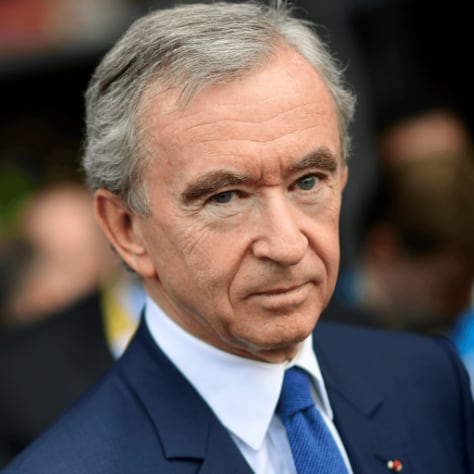 Most training is useless. You just sit there and don't do anything. You just listen. You watch but you don't do anything.Bernard Arnault, Founder and CEO, LVMH
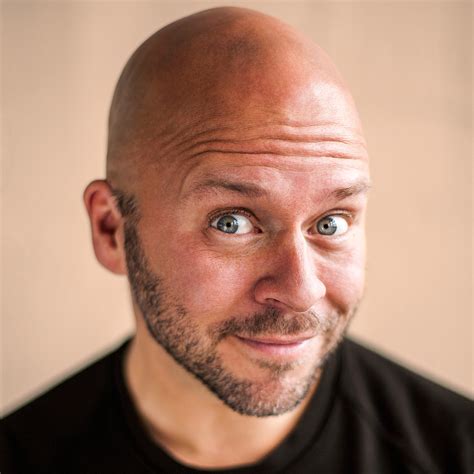 If more information was the answer, then we'd all be billionaires with perfect bodies. There'd be no unhealthy doctors and no divorced marriage counsellors.Derek Sivers, Author
II. Who Accredits the Accreditors?
In "A Brief History of Time", Stephen Hawking tells a story:
A well-known scientist (some say it was Bertrand Russell) once gave a public lecture on astronomy. He described how the earth orbits around the sun and how the sun, in turn, orbits around the center of a vast collection of stars called our galaxy. At the end of the lecture, a little old lady at the back of the room got up and said: “What you have told us is rubbish. The world is really a flat plate supported on the back of a giant turtle.” The scientist gave a superior smile before replying, “What is the turtle standing on.” “You’re very clever, young man, very clever,” said the old lady. “But it’s turtles all the way down!”
Accreditations can be a great mark of quality but let's not embue them with qualities they don't have. Who accredits the CMI and ILM? You may say Ofqual and you'd be right but where does the buck stop? At some point we have to just acknowledge that accreditations are not a silver bullet. A camel is a horse designed by a commitee.
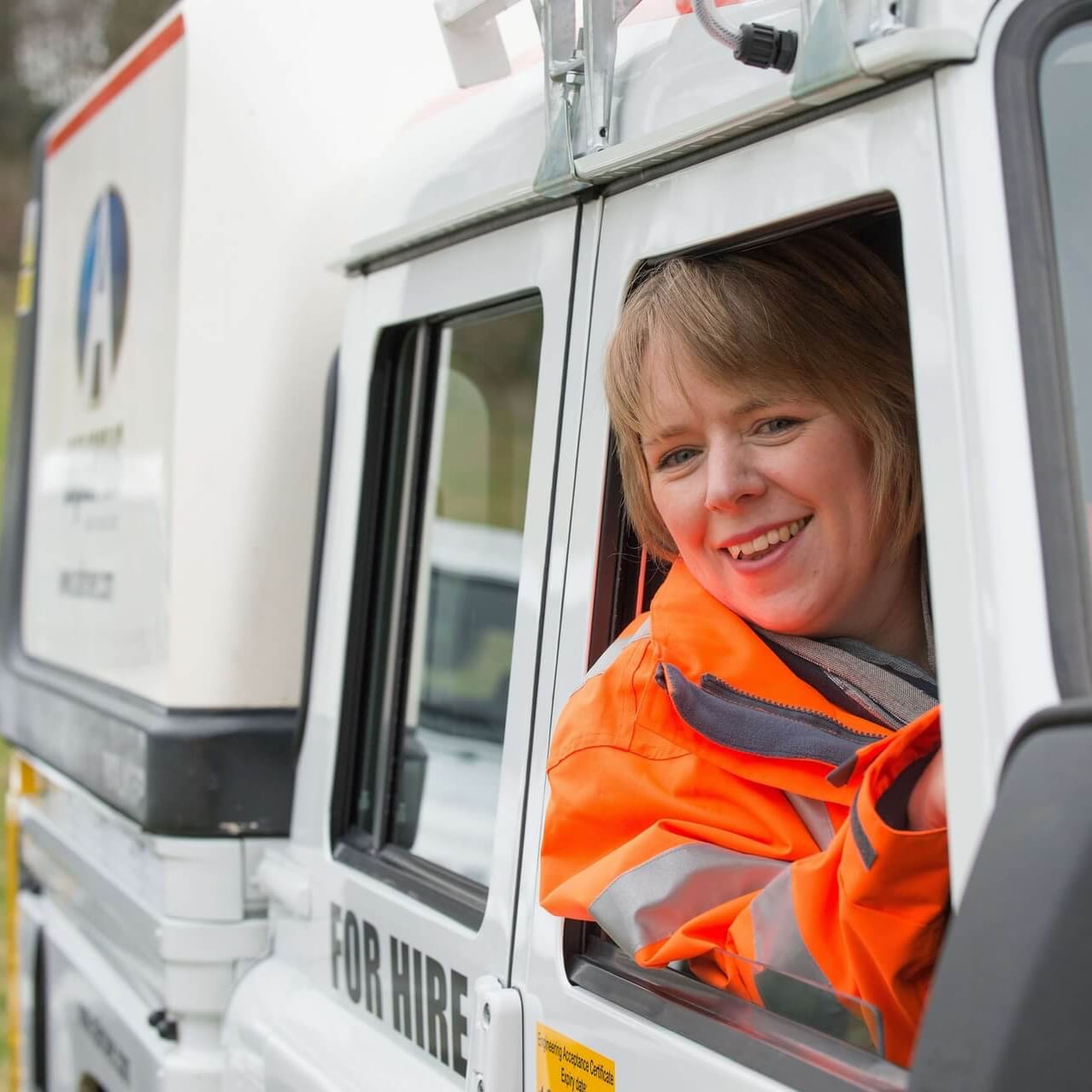 We've done ILM leadership training before. It was very theory based, the tutor knew the content of the course but wasn't particularly inspiring, in fact it was quite boring. There was loads of theory, we had to write a lot of essays, it was a massive amount of work and very few results. We learnt theories and models about leadership and management, which was good, but didn't really get any practical ways of solving the real problems that we were facing day-to-day. We came out with a certificate, which really didn't mean anything.Abi Broadley, Managing Director, Aquarius
III. Personality Tests
Personality tests can be good in many ways. They draw attention to, or remind people, that everyone is not the same and people like to be treated, or act, differently. They make people take a different tack with others. They can give us greater understanding of ourselves, and why we do the things we do.
We have used Insights Discovery and DiSC on many occasions. But that's where analysis should begin, not end.
These tests can encourage people to have a fixed mindset, they can give people an excuse for not changing their behaviour. If people can say "I'm a red triangle", or I'm a blue circle" that's just the way I am! It can let people off the hook.
What's more, why does it matter what persoanlity type we all are? We all have the capability to be kind or rude or impatient or insightful. We should look more at the behaviours we exhibit and not worry too much about where they come from.
IV. You can't learn karate at a one-day workshop
No one ever took one karate class and thought: Now I know karate!
So why do we do it with business skills?
You can't work on something for a day and compete with people who've been doing it for years. It takes consistent work. Learning, practice and feedback.
Management and leadership are no different. You can't perfect them at a one-day workshop.