9:30am - 12:30pm
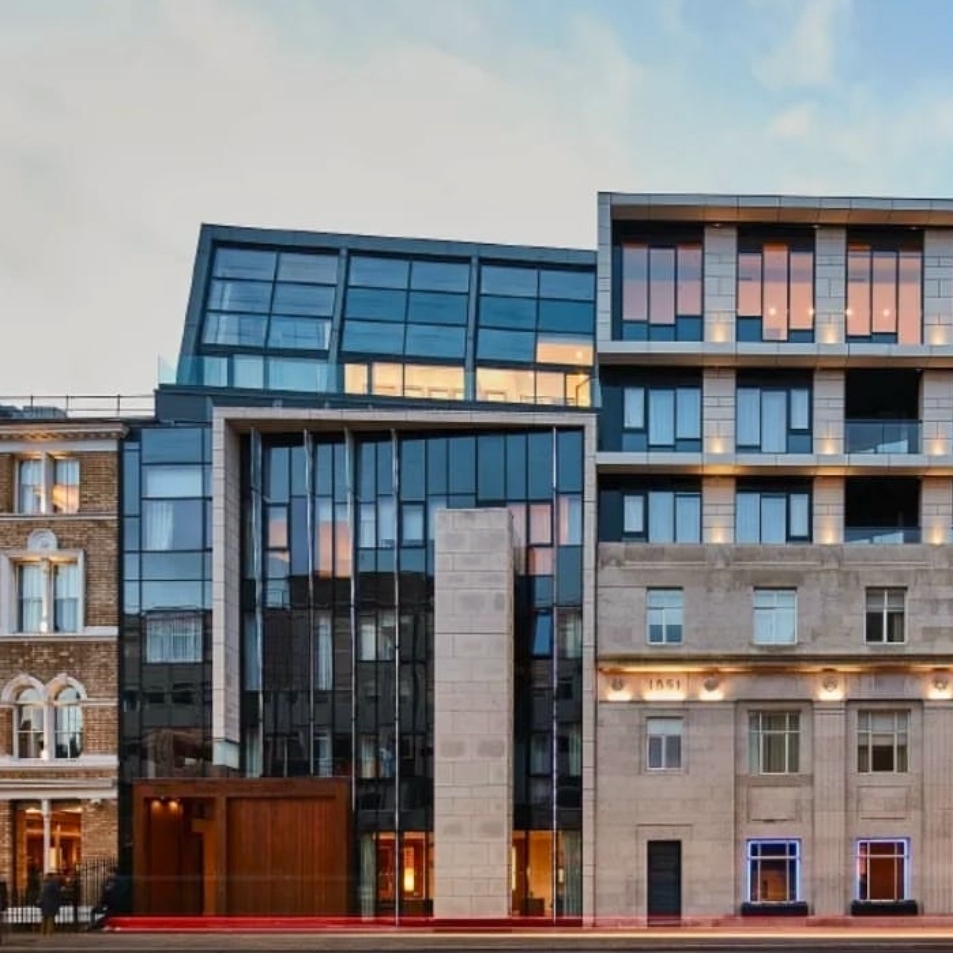
Hope Street Hotel, 40 Hope Street, Liverpool, L1 9DA
9:30am - 12:30pm
Hope Street Hotel, 40 Hope Street, Liverpool, L1 9DA
9:30am - 12:30pm
Hope Street Hotel, 40 Hope Street, Liverpool, L1 9DA
9:30am - 12:30pm
Hope Street Hotel, 40 Hope Street, Liverpool, L1 9DA
9:30am - 12:30pm
Hope Street Hotel, 40 Hope Street, Liverpool, L1 9DA
9:30am - 12:30pm
Hope Street Hotel, 40 Hope Street, Liverpool, L1 9DA
Feel free to email the Liverpool office anytime.
We're happy to help with any queries you have.
There are cities, and then there's Liverpool. A place so loaded with history, culture, and sheer chutzpah that it almost seems unfair to the others. Perched on the banks of the Mersey, looking out to sea with a kind of confident swagger, Liverpool has been exporting talent, ideas, and music to the world for centuries. You might even say it's been setting the global agenda since before most cities thought to try.
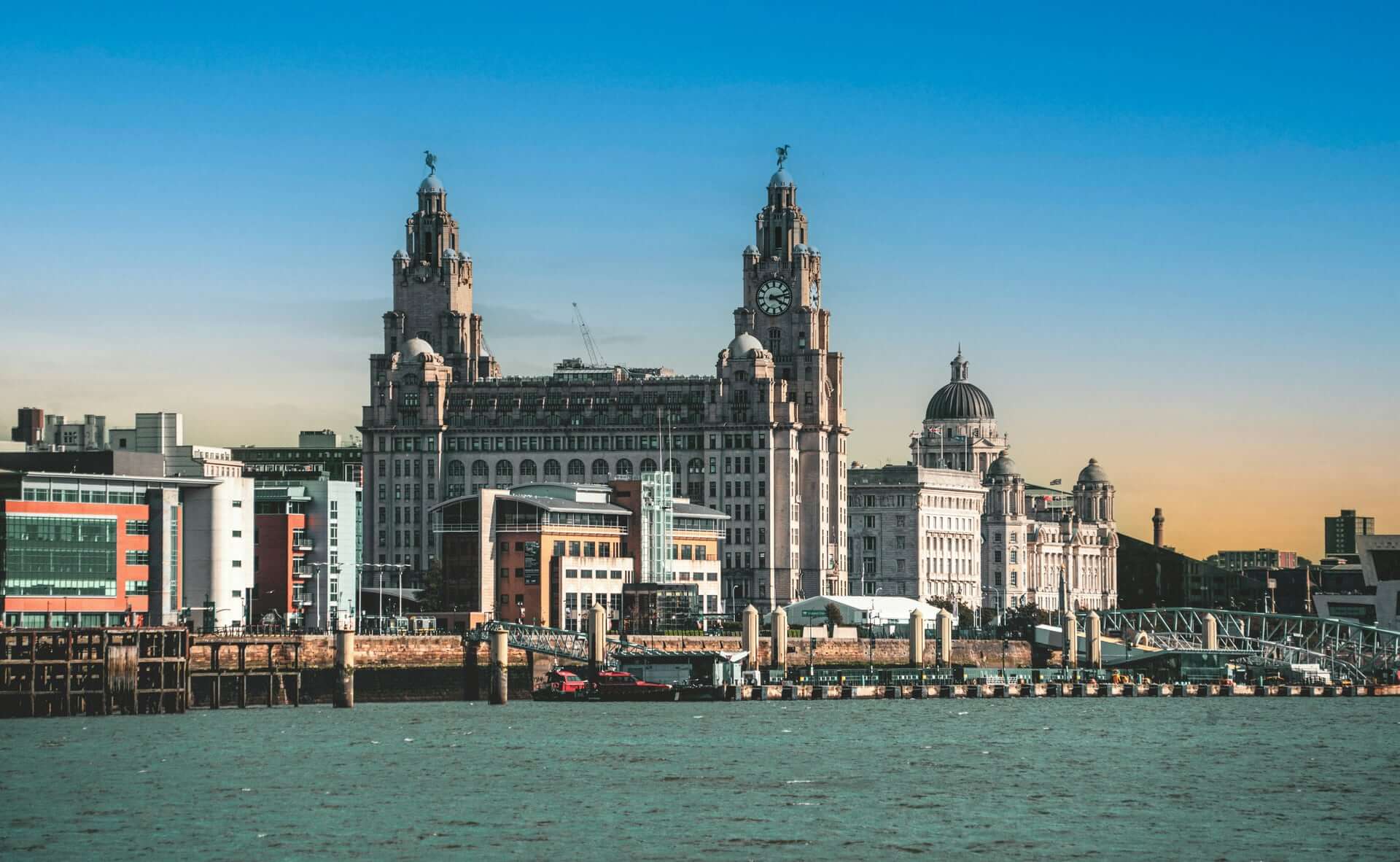
Liverpool's story is, at its heart, a maritime story. By the 18th and 19th centuries, the city had become one of the most important ports in the world — a gateway between Britain and the Americas through which vast quantities of goods, ideas, and people flowed. The iconic Pier Head, with its three great buildings — the Royal Liver Building, the Cunard Building, and the Port of Liverpool Building — was the last sight many emigrants saw of Europe as they headed west to new lives in America.
That maritime heritage comes with its complexities. Liverpool played a significant role in the Atlantic slave trade, and the city has engaged seriously with that history, including through the International Slavery Museum at the Albert Dock — one of the most powerful and important museums in Britain. Confronting difficult history takes courage; Liverpool has shown it.
Let's be direct about it: The Beatles changed music, and music changed the world, and the Beatles came from Liverpool. John, Paul, George, and Ringo — four young men from working-class Liverpool — created a catalogue of songs so extraordinary that it's hard to believe they all emerged from a single city in a single decade. The Cavern Club, where they honed their sound, is still there on Mathew Street. Abbey Road may be in London, but the spirit of what happened there was forged on Merseyside.
The Beatles aren't just Liverpool's greatest export; they're the city's perpetual argument that talent, creativity, and ambition are not the exclusive property of anywhere glamorous.
Liverpool's emotional intelligence is one of its defining characteristics. This is a city that feels things deeply and isn't afraid to show it. The response to the Hillsborough disaster of 1989 — and the decades-long fight for justice for the 97 people who died — showed a community of extraordinary solidarity and determination. The eventual 2016 inquest verdict was the product of relentless, dignified, principled campaigning. Liverpool never let go, because Liverpool never lets go.
That same passionate community spirit is why Liverpool FC and Everton are more than football clubs — they're social institutions, representing a city that takes loyalty seriously.
When Liverpool became European Capital of Culture in 2008, it used the opportunity to transform the city's cultural infrastructure in ways that still resonate. The Liverpool Tate and the Museum of Liverpool joined a cultural offer that already included the Walker Art Gallery and the World Museum to create one of the finest collections of free museums in Britain.
The architecture tells its own story. The Albert Dock — a UNESCO World Heritage Site — has been transformed from a derelict Victorian warehouse complex into a vibrant cultural and commercial destination. And the two cathedrals at opposite ends of Hope Street — the Anglican Cathedral (the largest in Britain) and the Metropolitan Cathedral — provide a theatrical backdrop that would make any city proud.
Liverpool's universities have become major drivers of the city's economy and ambition, and a thriving tech and creative sector has taken root alongside the historic strengths in maritime, logistics, and culture. The city's regeneration since the 1980s is one of the most striking in Britain — a genuine transformation rooted in creativity, civic pride, and an absolute refusal to accept decline.
Liverpool has always been a city that looks outward — to the sea, to the Americas, to the wider world. That outward-looking confidence, that sense that Liverpool belongs not just to the north of England but to a global story, is what makes it singular.
So raise a glass to Liverpool: the port that built empires, the city that gave the world the Beatles, and the place that keeps proving, year after year, that some stories are too big for any one harbour to contain.